Strength Ramp
Main lifts, accessories, and a short finisher. Built for people who want the bar to go up across twelve weeks. Two to four sessions a week.
Activebodyhabits runs small-group strength and conditioning in Kallang, plus habit coaching between sessions. Twelve-week cycles, eight people per floor slot, and a plan that moves up the moment you do.
First session usually within 72 hours of your enquiry. No lock-in on monthly plans.
We keep the path short on purpose. You tell us your week and any limits. We match a slot, run a screen, then put you in a live group so the first hour already feels like training rather than a tour.
The same coaches who take the enquiry write the first cycle. That is how the load on week one already fits the body that walks in, and how the review at week four has a baseline to compare.
Send the form with days you can train and anything we should know about joints or past injuries. We reply with open slots and a time for the movement screen. No long onboarding call unless you ask for one.
We watch a squat, a hinge, a lunge, a press, and a short conditioning piece. The notes from this screen set starting loads and which patterns we swap if a joint is unhappy. You leave with a written start point.
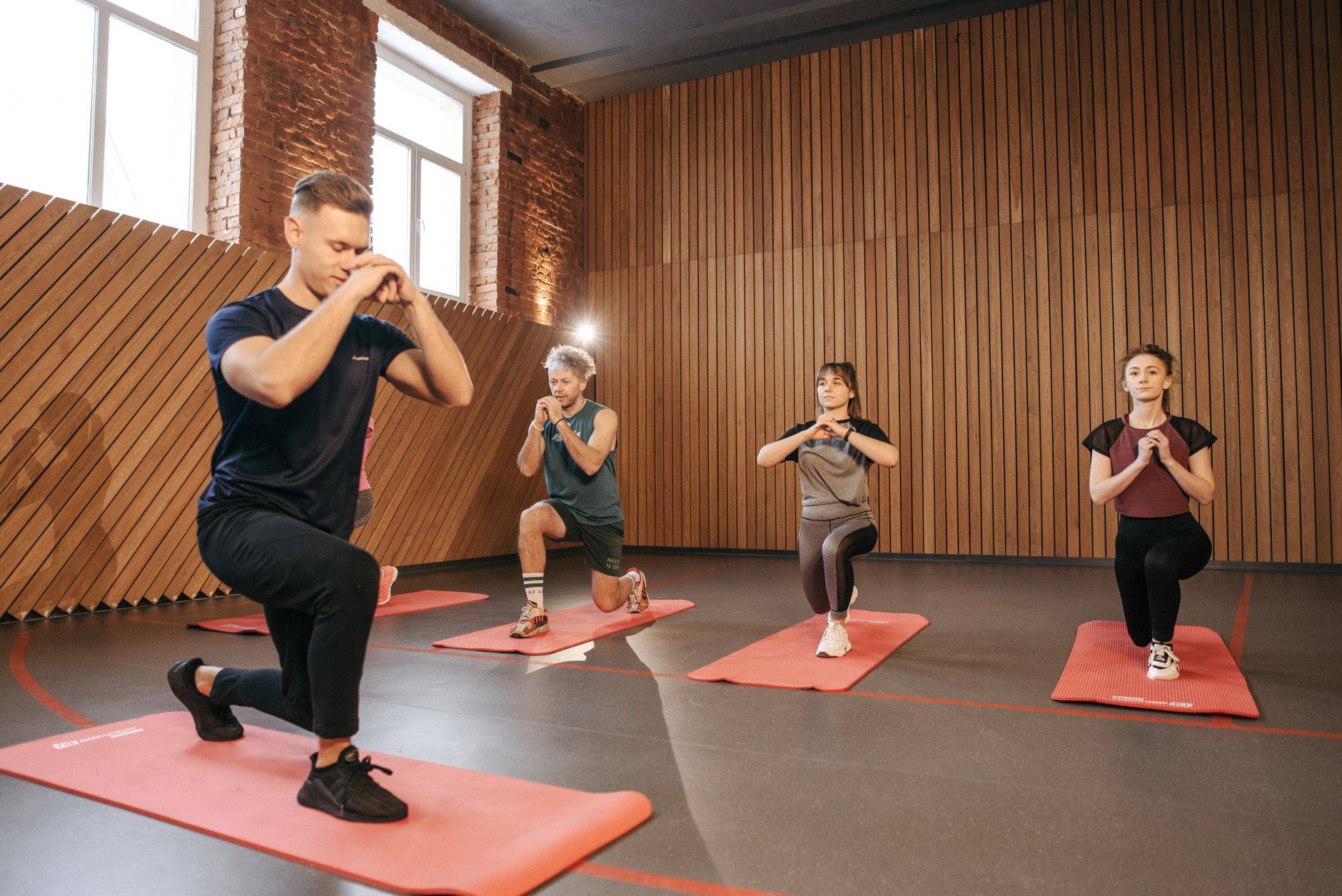
You train in a real slot, capped at eight. The coach scales every set. You see the clock, the brief, and the way we move between stations. After the hour we confirm whether the format still fits.
We book your regular days for the first twelve weeks and write the Ramp phases on paper. You know which sessions you own before you leave CT Hub.
Pick a format for the hour on the floor. We set the load, the rest, and the weekly frequency around the days you can keep. Remote habit coaching sits beside the floor work if your week is uneven.
Every public slot stays at eight people. Coaches stay on the floor for the full session. Progress is the work you repeat, not a slogan on the wall.
Main lifts, accessories, and a short finisher. Built for people who want the bar to go up across twelve weeks. Two to four sessions a week.
Row, bike, and mixed intervals with a clear target each round. Useful when you need a shorter slot that still taxes lungs and legs.
A lift, then a conditioning piece, then a skill closer. The default if you want both strength and engine in the same hour.
A closed block for people returning after a long gap. Slower brief, more coaching, and loads that start well below ego.
Hips, T-spine, and tissue work. Placed on midday hours so you can use it as a deload day inside a heavy week.
Sleep, steps, protein, and attendance, reviewed weekly in writing. Pairs with two floor sessions or stands alone while you travel.
We do not add load because the calendar says so. Baseline weeks teach the patterns and collect numbers. Build weeks add volume. Load weeks raise intensity. Peak and reset weeks prove the work, then cut fatigue so the next cycle can start clean.
Week eleven and twelve include a planned deload. That lighter week is part of the programme, not a holiday from it. If travel or illness lands in a heavy phase, we rewrite the remaining weeks rather than pretending the original sheet still fits.
Reviews sit at weeks four, eight, and twelve. You see the lifts, the conditioning benchmark, and the attendance record in the same sitting. The next block is written from those notes.
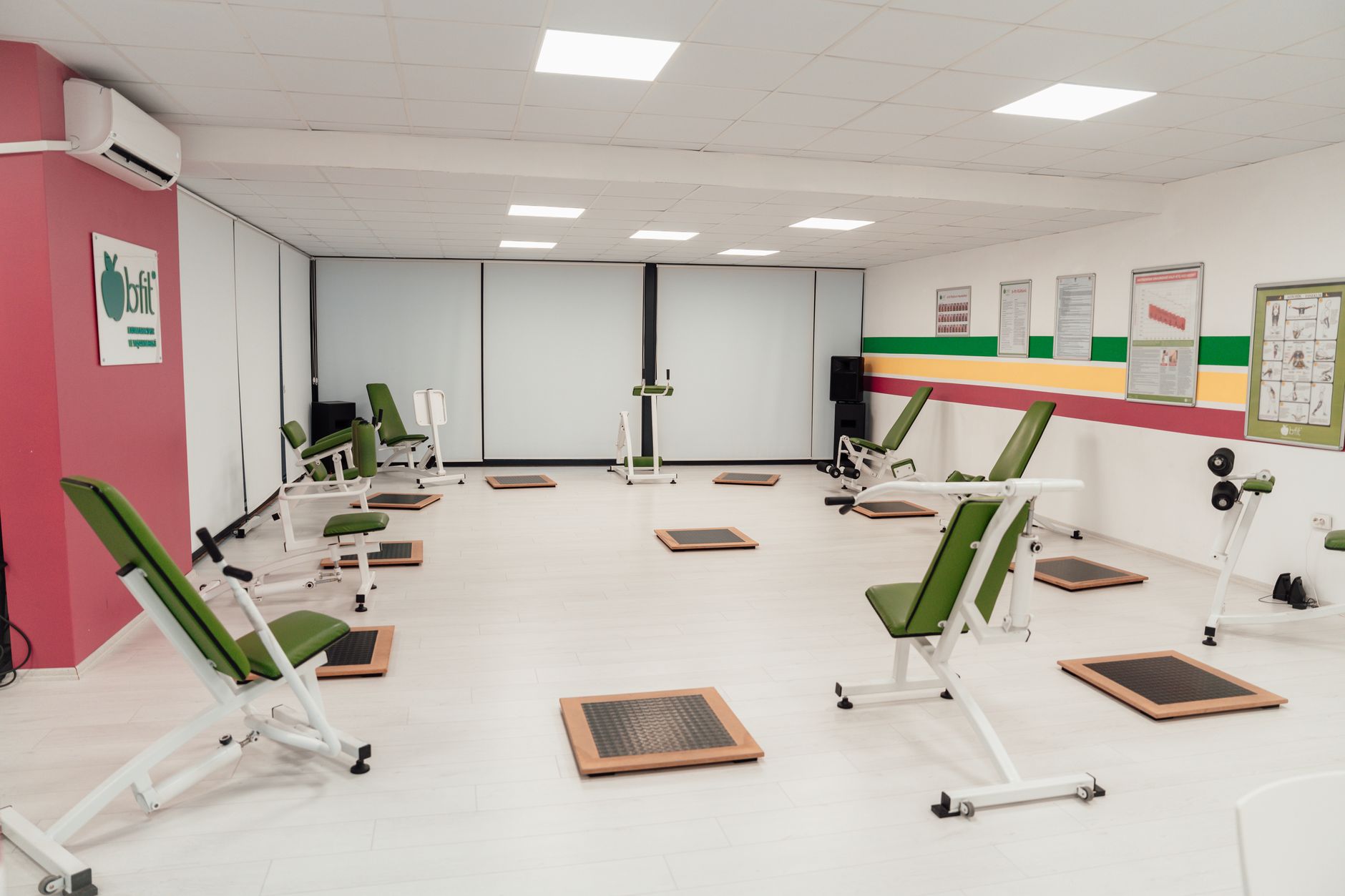
Activebodyhabits occupies a single floor at CT Hub on Kallang Avenue. The room holds lifting platforms, a conditioning strip with rowers and bikes, and a mobility corner. Changing rooms with showers and lockers sit off the main floor.
Level 6 is lift-served from the lobby. Bendemeer and Lavender MRT stations cover the last stretch on foot. We keep the floor uncluttered so eight people can move without waiting on kit. Two coaches are on the floor at peak hours. Session lengths are 45 or 60 minutes. Fourteen slots make up the weekly timetable.
Four groups of numbers sit on your cycle sheet: strength markers, a conditioning benchmark, session attendance, and the mobility screen. We use them to decide when to add load, when to hold, and when to cut volume. They are tools for the next twelve weeks, not a public scoreboard.
Results vary with sleep, food, past injuries, and how many sessions you actually attend. A heavier squat with the same range is progress. A faster row at the same heart-rate note is progress. Showing up on the days you booked is also progress. We do not publish client photos or claimed transformations. Read how the reviews run on the progress page.
Yes. Beginner Reset is the usual start. Mixed-level hours still scale the load per person after the screen. You share the clock, not the heaviest bar in the room.
No. Unlimited Monthly and Hybrid have no lock-in. You can pause for up to four weeks in a year. Ramp 10 is a pack used within ten weeks.
The first session is usually within 72 hours of a complete enquiry, subject to open slots. Early mornings fill first.
We write the cycle around those two days. Progress is slower than a four-day week, and that is expected. Tell us the days you can keep.
A short form is enough. We reply within one working day with times that fit the week you actually live.